
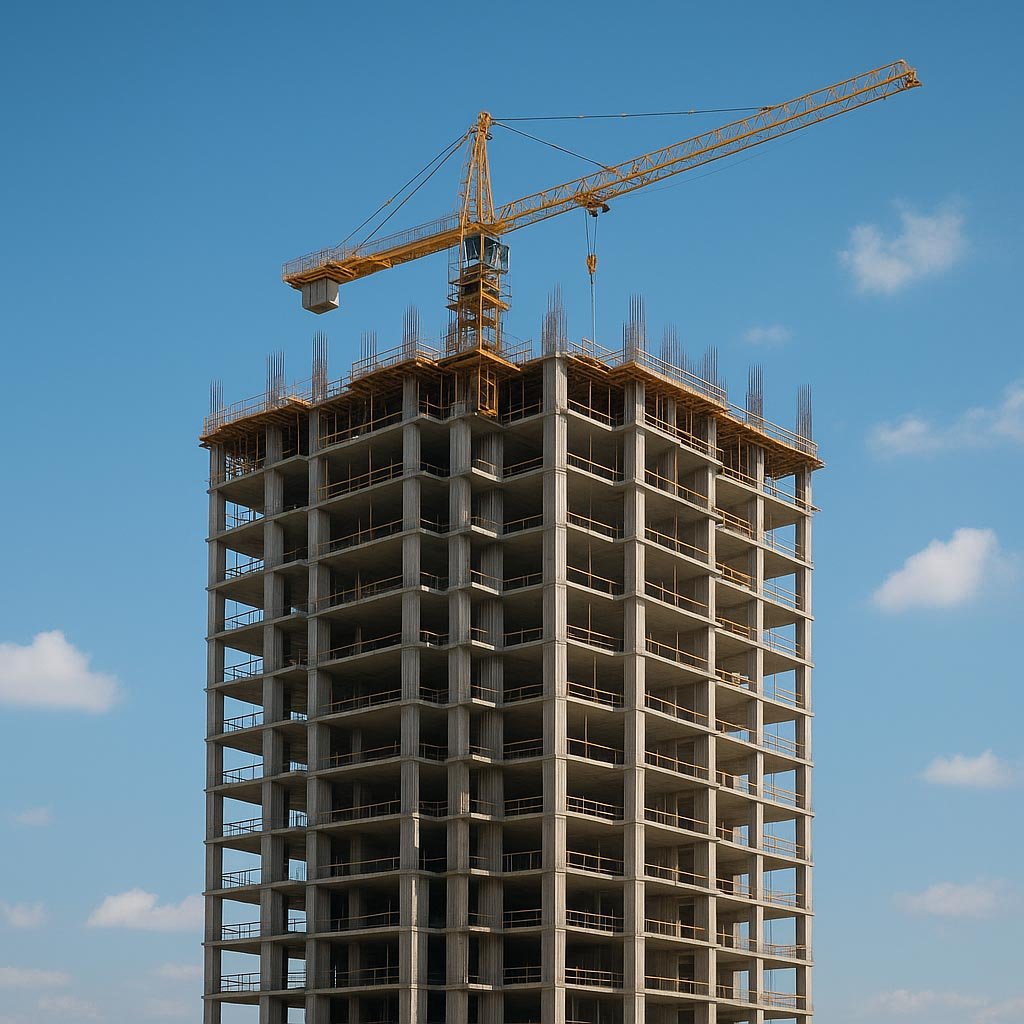
Key Steps Involved in a Reconstruction Project
A successful reconstruction project requires thorough planning, technical expertise, and effective execution. Whether you’re upgrading a residential home or redeveloping a commercial building, understanding each stage ensures results that meet safety regulations, aesthetic goals, and performance expectations.
The reconstruction process begins with site evaluation and inspection. Engineers assess the structure’s stability, foundation condition, load capacity, and existing utilities. This phase determines which areas can be reused, which parts must be reinforced, and what elements need replacement. It helps create a blueprint that balances safety with feasibility.
Next comes planning and design. Architects redesign layouts to improve functionality while following building codes. At this stage, owners collaborate with professionals to finalize aesthetics, space usage, materials, and budget parameters. Sustainability features such as solar readiness, insulation upgrades, or rainwater harvesting can also be integrated into the design.
After approval and permitting, demolition and structural reinforcement begin. Damaged or outdated components are removed while core structural elements are strengthened. Beams may be inserted, foundations deepened, or walls reinforced to carry new loads safely.
The next critical stage is system upgrades. Electrical wiring, plumbing pipelines, drainage, HVAC, fire safety systems, and insulation are installed or replaced. These improvements ensure the building meets modern safety standards and operates efficiently.
With systems in place, work shifts to interior and exterior finishing. Flooring, wall treatments, ceilings, lighting, painting, windows, facades, and roofing are completed to match the final vision. Functional details like cabinetry and fittings are installed.
Before handover, quality inspections and safety testing are conducted. Engineers verify load capacities, electrical compliance, and fire-safety systems. Any defects are addressed to ensure the building is safe for occupancy.
The final stage is handover and maintenance planning. Owners receive documentation, system manuals, and maintenance guidance to ensure long-term durability of reconstruction investments.
By following a clearly structured process, reconstruction projects deliver durable, safe, and visually appealing buildings that meet modern expectations—whether for personal residences, businesses, or public infrastructure.